
Home › Wellness › Blood Sugar Tips
5 Simple Tips to Keep Your Blood Sugar Levels Stable (Backed by Science)
By Health & Life Guide Editorial Team · Updated May 15, 2026 · 6 min read
Do you ever feel shaky, tired, or hungry just an hour after eating? Catch yourself craving sweets in the afternoon, or waking up groggy even after a full night’s sleep? Those aren’t random annoyances — they’re often signals that your blood sugar is on a rollercoaster. The good news: you can flatten that ride with five simple habits you can start today.
What you’ll learn in this article
- Why stable blood sugar matters more than you think
- Tip #1 — Start your day with protein, not sugar
- Tip #2 — Take a 10-minute walk after every meal
- Tip #3 — Add fiber to every plate
- Tip #4 — Sleep 7+ hours and manage stress
- Tip #5 — Support your body with a science-based formula
- Frequently Asked Questions
Why Stable Blood Sugar Matters More Than You Think
When your blood sugar spikes and crashes throughout the day, your body pays the price in ways most people never connect: stubborn belly fat, midday brain fog, low energy, mood swings, intense sugar cravings, and poor sleep. Over time, unstable glucose can quietly raise your risk of insulin resistance, type 2 diabetes, and cardiovascular issues.
The encouraging truth? Your body is designed to balance blood sugar on its own — it just needs the right support. The five tips below are simple, free (or nearly free) to start, and proven by research. Stick with them for two weeks and most people notice steadier energy, fewer cravings, and clearer thinking.
Tip #1 — Start Your Day With Protein, Not Sugar
Cereal, toast, sweet coffee, or a “healthy” muffin can send your glucose up like a rocket — and the inevitable crash hits around 10 a.m. with hunger, fatigue, and cravings. A high-protein breakfast (eggs, Greek yogurt, cottage cheese, or a protein smoothie with chia seeds) blunts that morning spike and sets a stable tone for the entire day.
Try this tomorrow morning
Two eggs scrambled with spinach + half an avocado + a cup of black coffee or green tea. That’s roughly 25g of protein, no glucose spike, and 4–5 hours of clean energy.
Tip #2 — Take a 10-Minute Walk After Every Meal
This one habit is shockingly underrated. Multiple studies show that a short walk after eating can reduce post-meal blood sugar spikes by up to 30%. Your muscles act like sponges — they pull glucose out of your bloodstream and use it for fuel, instead of letting it pile up.
You don’t need a gym, special shoes, or even a step counter. Just stand up, walk around the block, pace the hallway, or do gentle squats while the dishes wash. Movement is medicine.
Tip #3 — Add Fiber to Every Single Plate
Fiber is the unsung hero of blood sugar control. It slows down how quickly sugar is absorbed into your bloodstream, feeds your gut bacteria, and keeps you full longer. Aim for 25–35g of fiber per day from real food.
- Leafy greens, broccoli, cauliflower, Brussels sprouts
- Beans, lentils, chickpeas, black beans
- Berries (lower sugar than tropical fruits)
- Chia seeds, flax seeds, and psyllium husk
- Oats — the steel-cut or rolled kind, not flavored packets
Want extra support for healthy glucose levels?
A clean, natural formula trusted by thousands across the US, Canada, UK, Ireland, Australia & New Zealand. ✅ Check Availability & Today’s Discount
✈ Ships to USA, Canada, UK, Ireland, Australia & New Zealand
Tip #4 — Sleep 7+ Hours and Manage Stress
Most people think of blood sugar as a “food” issue. It’s not. Just one night of bad sleep can make your body 25% more insulin resistant the next day. Chronic stress releases cortisol, which tells your liver to dump more glucose into your blood, even when you haven’t eaten.
Build a simple wind-down routine: dim lights an hour before bed, no screens in bed, cool room (65–68°F / 18–20°C), and try 5 minutes of slow nasal breathing. Pair that with a 2-minute “stress reset” during the day — step outside, take 10 deep breaths, feel the sun — and your glucose curve will thank you.
Tip #5 — Support Your Body With a Science-Based Natural Formula
Lifestyle changes are the foundation, but sometimes your body needs extra nutritional support — especially if you’re over 40, have been struggling with cravings for years, or are working hard but not seeing the numbers move.
That’s where a well-formulated natural supplement can make a real difference. Look for ingredients with published research behind them: cinnamon bark, berberine, chromium, bitter melon, gymnema sylvestre, banaba leaf, and alpha-lipoic acid. These botanicals and minerals have been studied for their roles in supporting healthy glucose metabolism, insulin sensitivity, and curbing sugar cravings.
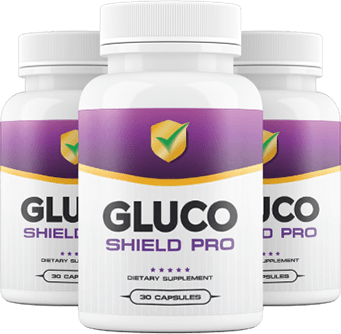
Why readers are talking about Gluco Shield Pro
Gluco Shield Pro combines a carefully selected blend of plant-based ingredients designed to support already-healthy blood sugar levels naturally. It’s made in the USA in a GMP-certified facility, non-GMO, and free from harsh stimulants.
- Supports healthy blood sugar already within a normal range
- Helps reduce cravings for sweets and refined carbs
- Promotes steady, balanced energy throughout the day
- Made in the USA · Non-GMO · GMP-certified facility
- 60-day money-back guarantee
“I started taking it alongside walking after dinner. Within three weeks, my afternoon energy dips were gone and I stopped reaching for cookies.” — Verified reader testimonial
Ready to take control of your blood sugar — the natural way?
Combine the 5 tips above with a clean, science-backed formula and feel the difference in your energy, mood, and cravings. 🔥 Try Gluco Shield Pro — Special Offer Today
✈ Available in: USA · Canada · UK · Ireland · Australia · New Zealand
Limited-time pricing and bundle discounts may apply. Click to check current availability in your country.
Frequently Asked Questions
What is the fastest way to lower blood sugar naturally? Drinking water, walking 10–15 minutes after meals, and cutting refined carbs are some of the fastest natural strategies. Pair with consistent sleep and stress management for stronger long-term results. Can supplements really help support healthy blood sugar? Several natural ingredients — including cinnamon, berberine, chromium, gymnema, and bitter melon — have been studied for their role in supporting healthy glucose metabolism. Always check with your doctor before starting any new supplement. What foods help keep blood sugar stable? High-fiber, high-protein, and healthy-fat foods like leafy greens, eggs, avocados, nuts, beans, chia seeds, and berries slow glucose absorption and keep blood sugar steadier between meals. Where is Gluco Shield Pro available? Gluco Shield Pro currently ships to the United States, Canada, United Kingdom, Ireland, Australia, and New Zealand. Click any button on this page to check current availability and shipping in your country. Is Gluco Shield Pro safe? Gluco Shield Pro is made in the USA in a GMP-certified facility, with non-GMO, plant-based ingredients. As with any supplement, consult your healthcare provider — especially if you are pregnant, nursing, or on prescription medication.
Final Thoughts: Small Steps, Big Results
You don’t need to flip your life upside down to stabilize your blood sugar. Eat protein in the morning. Walk after meals. Load up on fiber. Sleep and breathe. And give your body the nutritional backup it needs. Start with one tip today, add another tomorrow — and in 30 days, you’ll feel like a completely different person.
If you want to give your body that extra edge, check out Gluco Shield Pro here — it’s the natural, science-based formula thousands of readers are already using to take back control.
Affiliate Disclosure: This article contains affiliate links. If you purchase through them, Health & Life Guide may earn a small commission at no extra cost to you. We only recommend products we believe can genuinely add value to our readers.
Medical Disclaimer: The information in this article is for educational purposes only and is not intended to diagnose, treat, cure, or prevent any disease. Always consult a qualified healthcare professional before making changes to your diet, exercise routine, or supplement regimen. Results vary from person to person. Statements regarding dietary supplements have not been evaluated by the FDA.